The question of how many different dinosaur species were there is a fascinating one, as it takes us on a journey back in time to the age of the dinosaurs. Before we dive into the numbers, let's establish a context. The dinosaur era spanned over 165 million years, from the late Triassic period around 230 million years ago to the end of the Cretaceous period around 66 million years ago. During this time, numerous species evolved and became extinct. Now, let's explore the dinosaur species count.

estimating the total number of dinosaur species is challenging due to the fragmentary nature of the fossil record. Paleontologists have discovered hundreds of different dinosaur species, but this represents only a tiny fraction of the actual diversity that existed. Many species have probably gone undiscovered, and many of the discovered ones are known only from a few bones or partial skeletons.

Dinosaur Diversity by Period
Let's first look at the dinosaur species count across the three periods of the Mesozoic era (Triassic, Jurassic, and Cretaceous).

| Period | Estimated Number of Dinosaur Species |
|---|---|
| Triassic (252-201 million years ago) | Around 100 |
| Jurassic (201-145 million years ago) | Around 300-350 |
| Cretaceous (145-66 million years ago) | Around 500-600 |
Triassic Period: The Dawn of Dinosaurs

The Triassic period saw the rise of the first dinosaurs, the archosaurs. While the species count was relatively low, it laid the foundation for the dinosaur domination that followed.
Notable Triassic dinosaurs include Herrerasaurus and Eoraptor, early dinosaurs that had both reptile-like and bird-like features.
Jurassic Period: The Age of Dinosaurs

The Jurassic period is known as the Age of Dinosaurs, and this is reflected in the diversity of species. The first this period is marked by the appearance of early dinosaurs like Dilophosaurus and Herrerasaurus. Later, during the middle and late Jurassic, we see the emergence of iconic dinosaurs like Stegosaurus, Allosaurus, and Apatosaurus.
The Jurassic also saw the rise of early birds, ancestors of modern birds, which contributed to the biodiversity of this period.
Cretaceous Period: The Rise of Modern Dinosaurs

The Cretaceous period was the final act of the dinosaur age, and it was marked by the evolution of some of the most familiar dinosaurs. This includes late-appearing dinosaurs like the Tyrannosaurus and the Triceratops, as well as early birds like Archaeopteryx.
The Cretaceous also saw the last gasp of the dinosaur era, with an explosive burst of diversity and new species before their eventual demise.

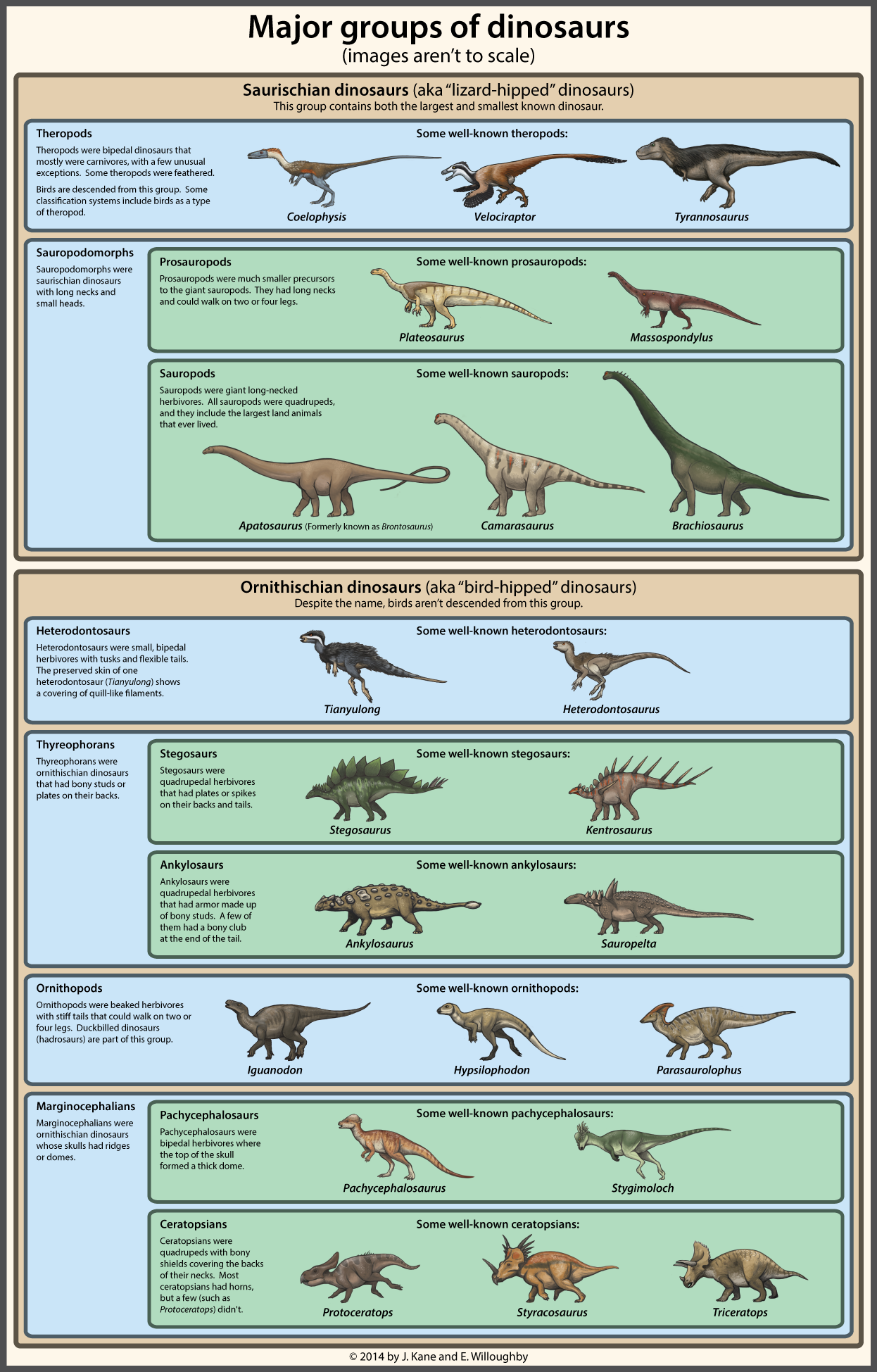


Dinosaurs: A Spectrum of Body Plans
Dinosaurs exhibited a remarkable diversity of body plans, which can be broadly categorized into two groups: Saurischians and Ornithischians.
- Saurischians included both herbivorous sauropodomorphs (like Brachiosaurus) and carnivorous theropods (like Velociraptor), and they evolved into early birds (like Archaeopteryx).
- Ornithischians were primarily herbivorous, with a variety of body shapes and sizes. They included horned dinosaurs like Triceratops, armored dinosaurs like Stegosaurus, and duck-billed hadrosaurs like Edmontosaurus.
The diversity of dinosaur species, while difficult to quantify precisely, is nonetheless evident in the rich fossil record and the variety of body shapes, sizes, and lifestyles these animals exhibited. From the earliest dawn of the dinosaur era to its twilight, dinosaurs dominated the planet, leaving behind a legacy that continues to inspire and captivate us today. As paleontologists continue to uncover new dinosaur species and learn more about the ecology and behavior of these ancient creatures, our understanding of this fascinating period in Earth's history continues to grow and evolve.